
The strongest celebrity personal brands right now include Rihanna, Oprah Winfrey, Taylor Swift, Dwayne Johnson, Beyoncé, Jay-Z, LeBron James, Ryan Reynolds, and Selena Gomez, among others. What separates them from celebrities who are simply famous is that their audience trust transfers cleanly to every new venture they launch.
They all share three core traits, which are a clearly defined audience they have served consistently for years, a core message that stays recognizable across every format, and brand extensions that feel like logical next steps rather than random pivots. The same mechanics work at any scale, with 500 followers or 500 million.
Key Takeaway
- These 25 celebrities are organized by the specific strategy that made their brand work, not by fame level or net worth.
- Several examples here, including Zendaya, Paul Newman, and George Clooney, are missing from most competitor articles but carry some of the clearest strategic lessons available.
- One dedicated section covers a cautionary case study that most branding articles skip, showing what happens when a personal brand becomes commercially polarizing.
- Every celebrity example closes with a practical translation you can apply to your own brand, regardless of your industry or audience size.
- The article ends with a "Which Strategy Fits You?" checklist to help you identify the right framework for where you are right now.
What Separates A Strong Celebrity Personal Brand From Just Being Famous
There is a simple test used when evaluating whether a personal brand is genuinely strong or just highly visible. It is called the trust transfer test, and it has three parts.
First, does the audience's trust carry over to new ventures? If a celebrity launches a product and their existing fans buy it largely because they trust the person behind it rather than because the product outperforms everything else, the brand is doing real work.
Second, does the core message survive format changes? The strongest brands deliver the same essential identity on a podcast, a red carpet, an Instagram post, and a product label. The format changes. The identity does not. That kind of consistency is the foundation of a strong branding and marketing strategy.
Third, do brand extensions feel like logical next steps? When Rihanna launched Fenty Beauty, it felt inevitable in hindsight. When a celebrity randomly attaches their name to a product category with no connection to their existing identity, the extension almost always underperforms.
The 25 examples in this article all pass this test. They are not arranged by net worth or follower count. They are arranged by the branding mechanism that did the heaviest lifting for each person.
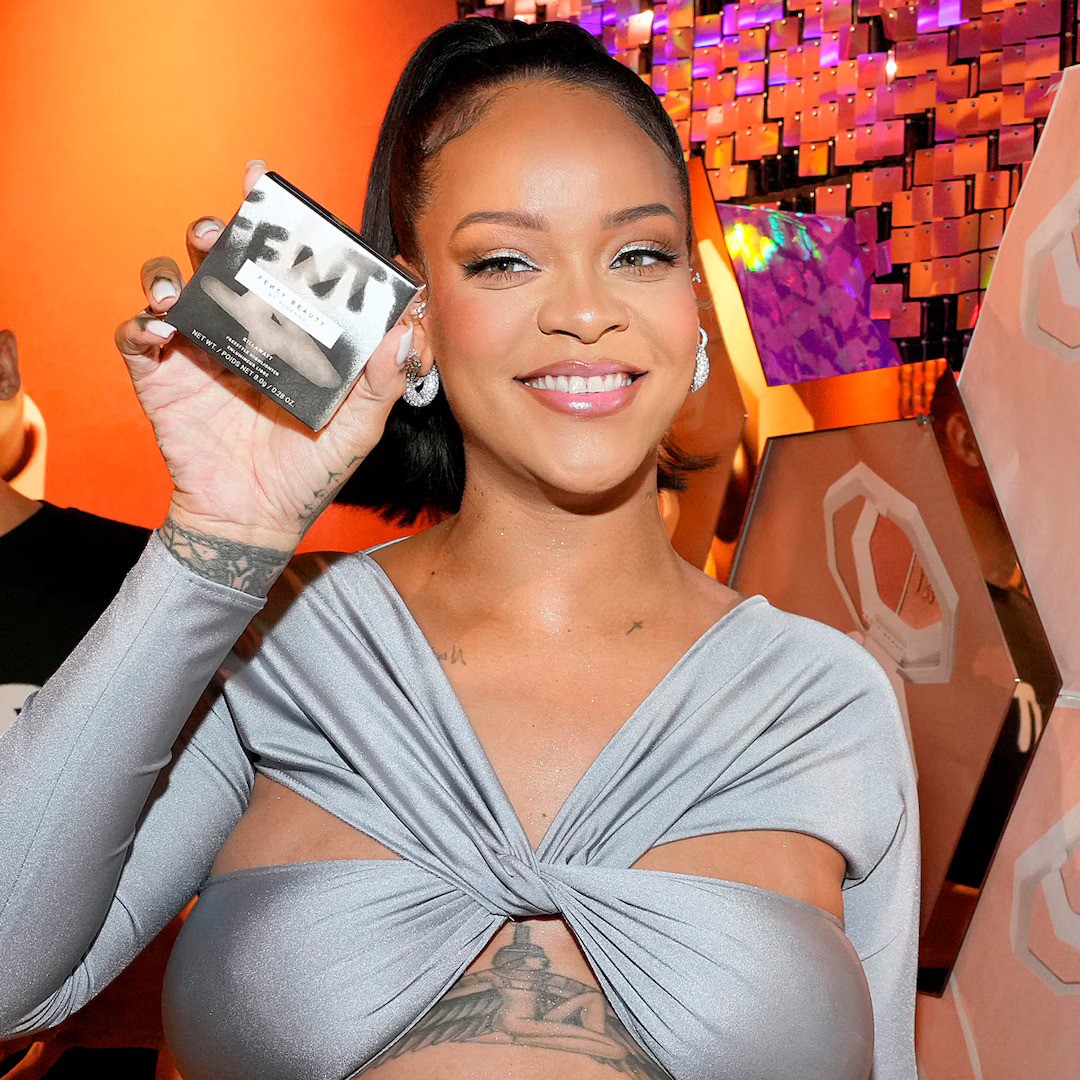
1. Rihanna - Building A Brand Around A Real Market Gap
When Rihanna launched Fenty Beauty in 2017, the story the press told was about a pop star entering the beauty industry. The actual story was about a company launching with 40 foundation shades when most competitor brands offered a fraction of that range. According to LVMH investor reporting, Fenty Beauty generated $100 million in sales within its first 40 days.
The insight she applied was not "my fans will buy whatever I sell." It was "there is a customer who has been ignored by this entire industry, and I can serve them specifically." That is a real market position. That is why Fenty scaled where other celebrity beauty lines plateaued.
Savage X Fenty followed the same logic. Inclusive sizing and genuine diversity in campaigns were not just brand messaging. They were operational commitments that the products themselves delivered on. By 2024, Fenty's combined brand ecosystem had made Rihanna the world's wealthiest female musician.
The practical translation is straightforward. "I do great work" is not a brand position. "I am the only consultant in this space who guarantees a written scope before taking a deposit" is. Find the gap your target audience has been living with, and build around it specifically.
2. Ryan Reynolds - Running A Media Company Inside A Personality
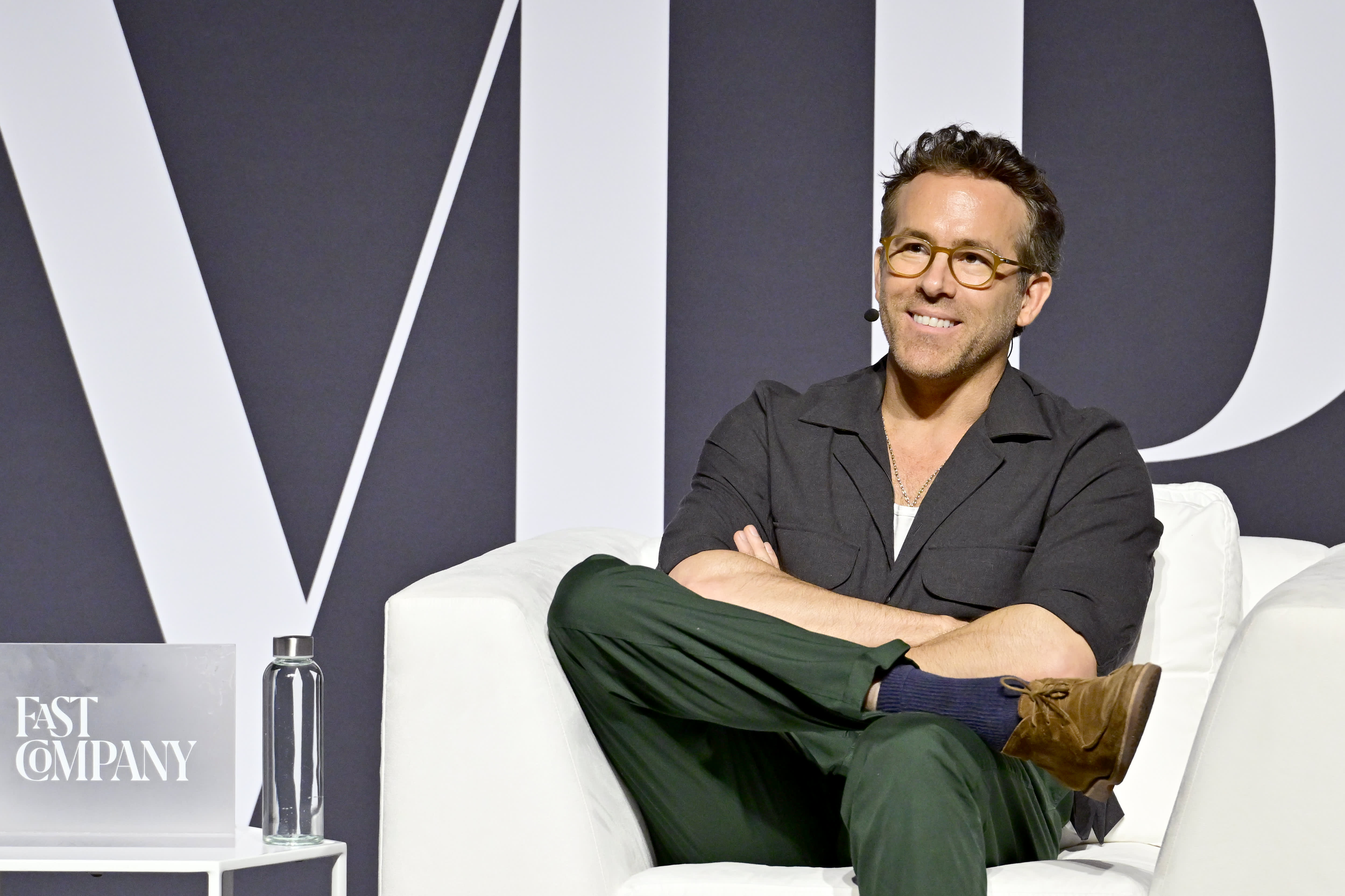
Most people think of Ryan Reynolds as the actor from Deadpool. At this point, that is probably his third most strategically interesting role. Reynolds co-founded Aviation Gin and sold it to Diageo for up to $610 million in 2020. He then acquired Mint Mobile and sold it to T-Mobile for approximately $1.35 billion in 2023.
What makes his approach unique is that he did not use fame to put his name on products. He built ownership stakes and ran the marketing himself through his agency, Maximum Effort. Every campaign for Aviation Gin and Mint Mobile was designed to feel like content from his personal brand, self-deprecating, fast-moving, and built around his specific sense of humor. It is one of the clearest modern examples of how celebrities use social media for business.
The mechanic here is treating your personal brand as a media company. Every piece of content serves a business objective, not just a follower count. Reynolds is not posting to be liked. He is posting to build a persuasion engine that drives measurable commercial outcomes.
3. George Clooney - Quiet Positioning, Massive Payoff
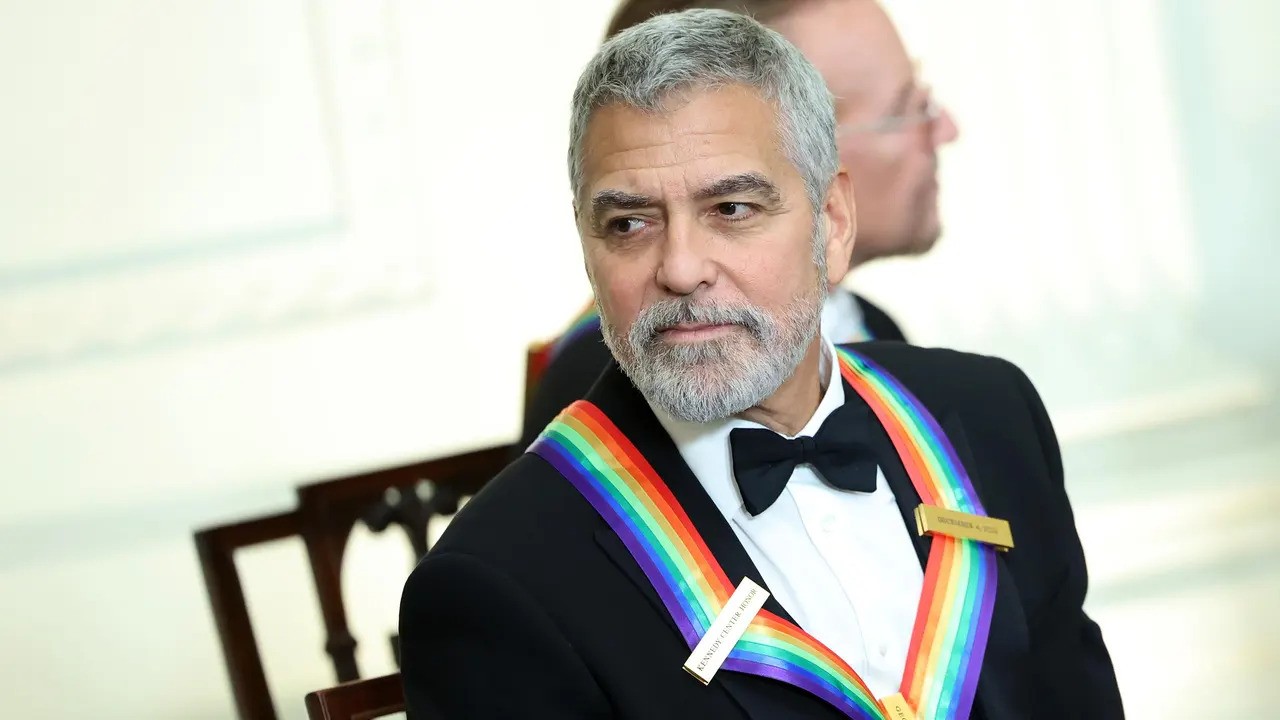
George Clooney co-founded Casamigos tequila in 2013 with Rande Gerber and Mike Meldman, originally as a personal project. The brand grew without significant celebrity marketing. It was not positioned as "George Clooney's tequila." It was positioned as a smooth, accessible premium tequila that happened to have a famous co-founder.
In 2017, Diageo acquired Casamigos for up to $1 billion, making it one of the largest celebrity brand acquisitions at the time. The lesson that is useful from Clooney's case is that the best celebrity brand extensions are those that would succeed even without the celebrity name attached. The product has to do the work. The name accelerates distribution, but it cannot substitute for quality or real positioning.
4. Jay-Z - Owning The Infrastructure, Not Just The Product
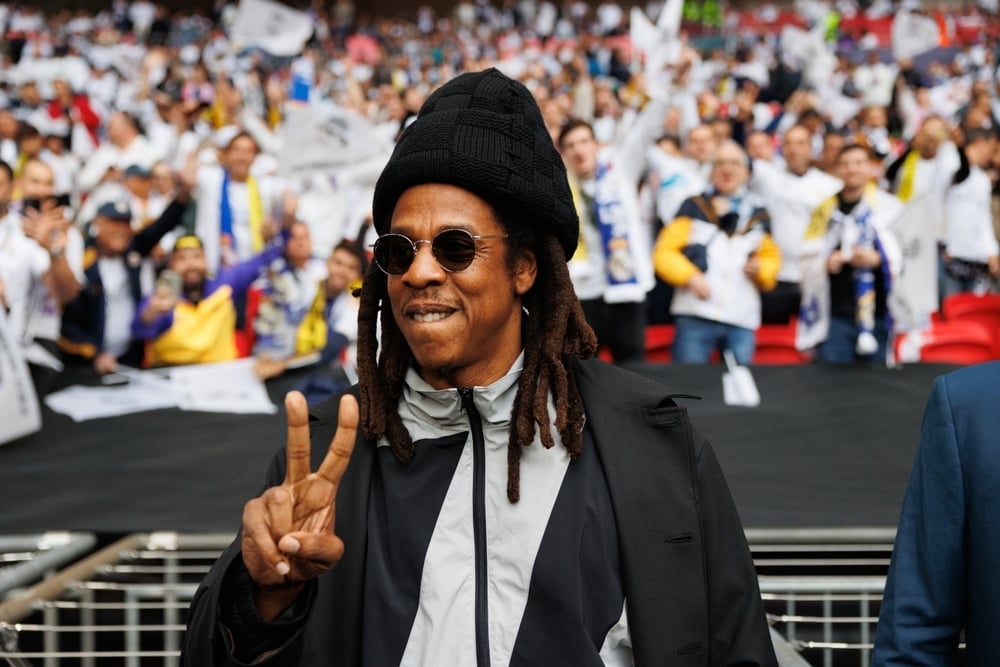
Jay-Z's approach to personal branding is less about being present everywhere and more about owning equity in the structures that produce value. Roc Nation is a full-service entertainment company covering music, sports representation, and live events. Armand de Brignac (Ace of Spades champagne), D'Ussé cognac, a reported stake in the Kansas City Chiefs, and the streaming platform Tidal are all pieces of a portfolio built around ownership rather than endorsement.
His estimated net worth crossed $2.5 billion, placing him among a small number of musicians to reach that threshold. The distinction between endorsing a product and owning the brand's equity structures is the single biggest differentiator between a celebrity deal and a celebrity empire. That is why evaluating celebrity portfoliosis often more useful than looking at follower counts alone.
5. Paul Newman - The Brand That Outlasted Its Founder
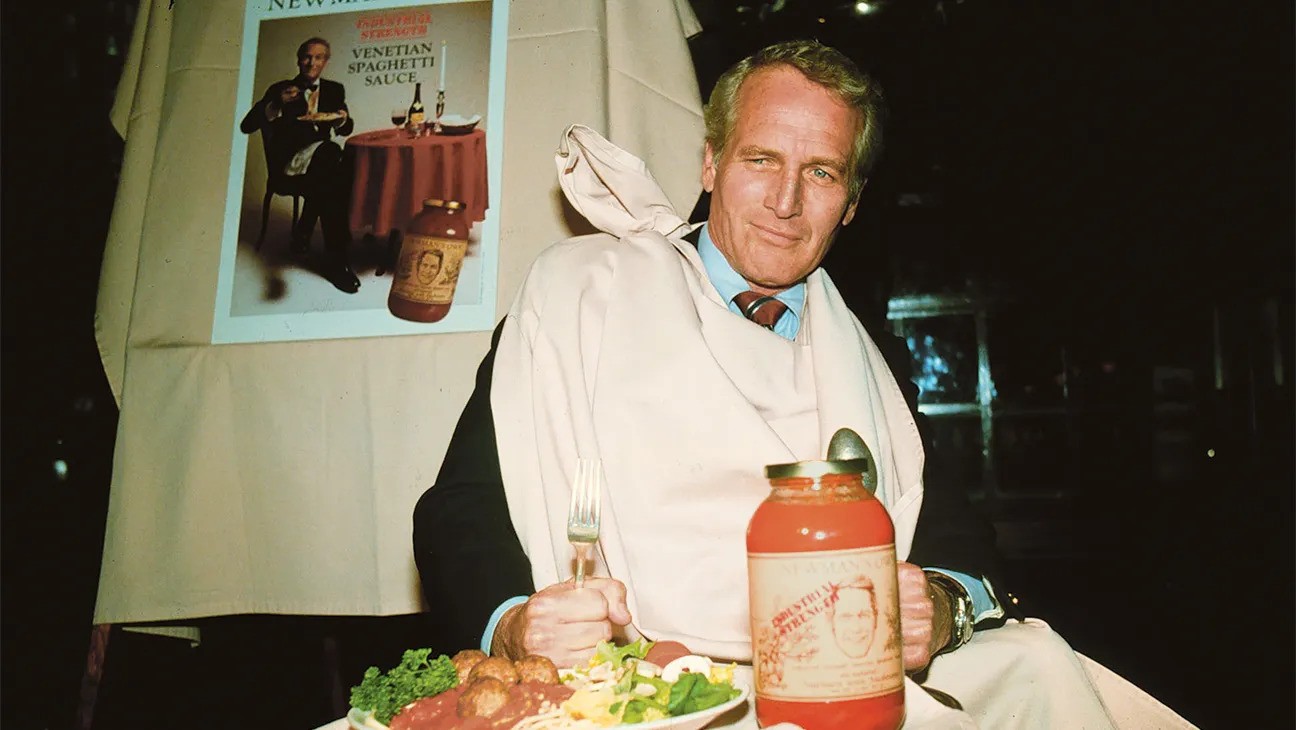
Paul Newman started Newman's Own in 1982 as a joke, bottling homemade salad dressing to give as gifts. The company grew into a full consumer goods operation, and Newman made one foundational decision that defined everything. One hundred percent of profits went to charity.
By the time Newman passed away in 2008, Newman's Own had donated over $600 million to various charitable organizations. The brand still generates tens of millions in annual revenue today, decades after its founder's death.
What makes this example singular in a list of 25 is the evidence it provides that a clear values position can outlast you. The brand's identity was never "Paul Newman's pasta sauce." It was "you buy something you enjoy, and someone in need benefits." That promise survived the man who made it.
6. Taylor Swift - Evolving Without Losing Yourself
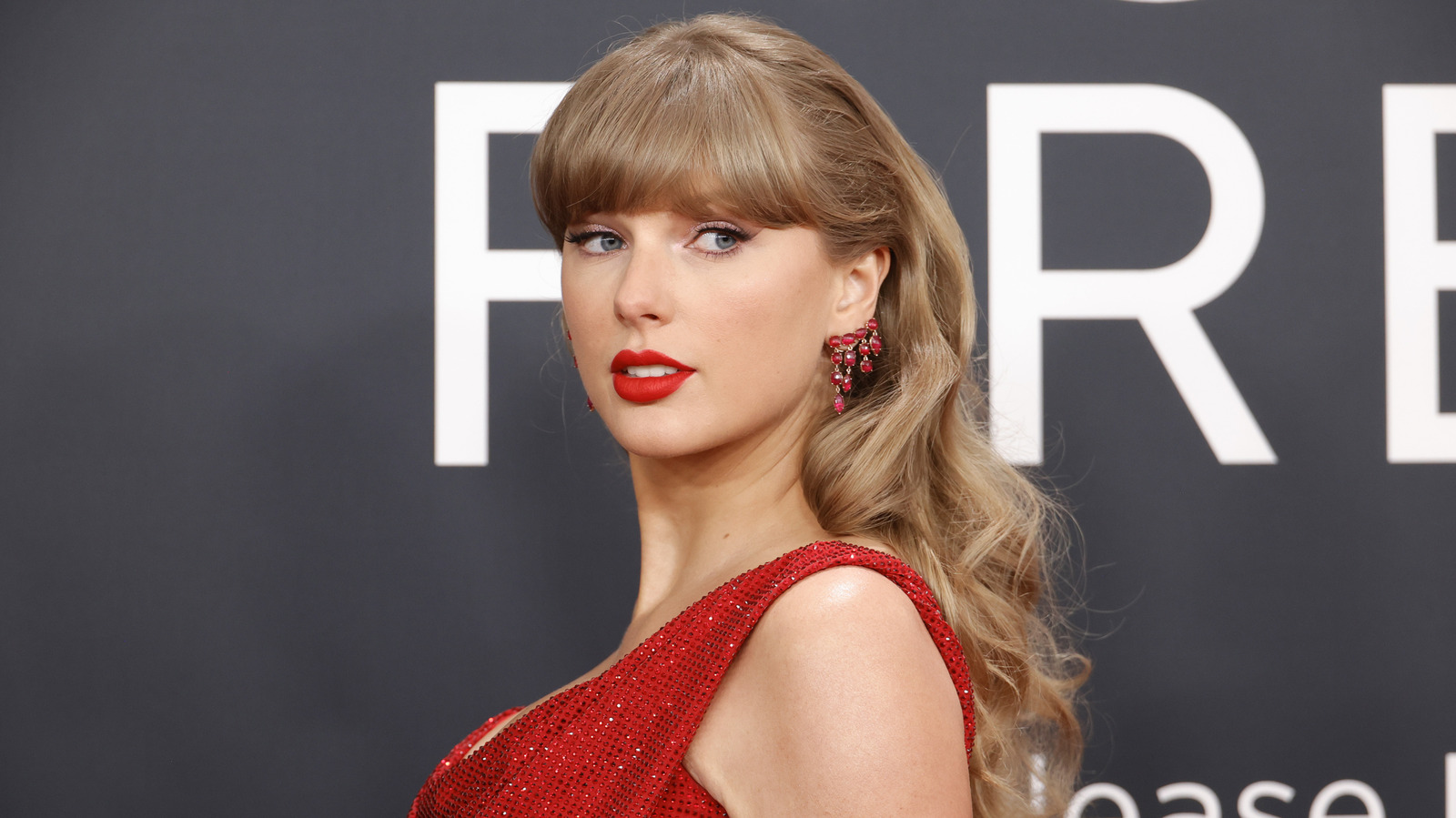
Taylor Swift's brand is a masterclass in controlled reinvention. Each era represents a complete aesthetic and sonic shift, a new visual identity, a new sound, a new narrative. The surface changes with each album cycle. The core identity underneath does not. She is always the storyteller. She always makes the listener feel specifically seen.
The public battle to reclaim her masters, followed by the Re-Recording project, did something unusual for a personal brand. It turned a business dispute into a cultural rallying point. Her core audience did not see a legal conflict. They saw a values statement in action. The result was not brand reputationdamage. It was brand deepening.
The Eras Tour became the highest-grossing concert tour in recorded history, surpassing $1 billion in revenue according to Billboard Boxscore data. That figure is not just a music industry record. It is evidence that a brand built around consistent storytelling and controlled evolution can generate commercial outcomes at a scale most entertainment companies cannot match.
The practical translation is that you can rebrand without abandoning what got you here. If you started as a freelance designer and now you teach design, your audience does not need you to start over. They need you to bring them along on the next chapter.
7. Billie Eilish - Owning Your Strangeness As A Brand Asset
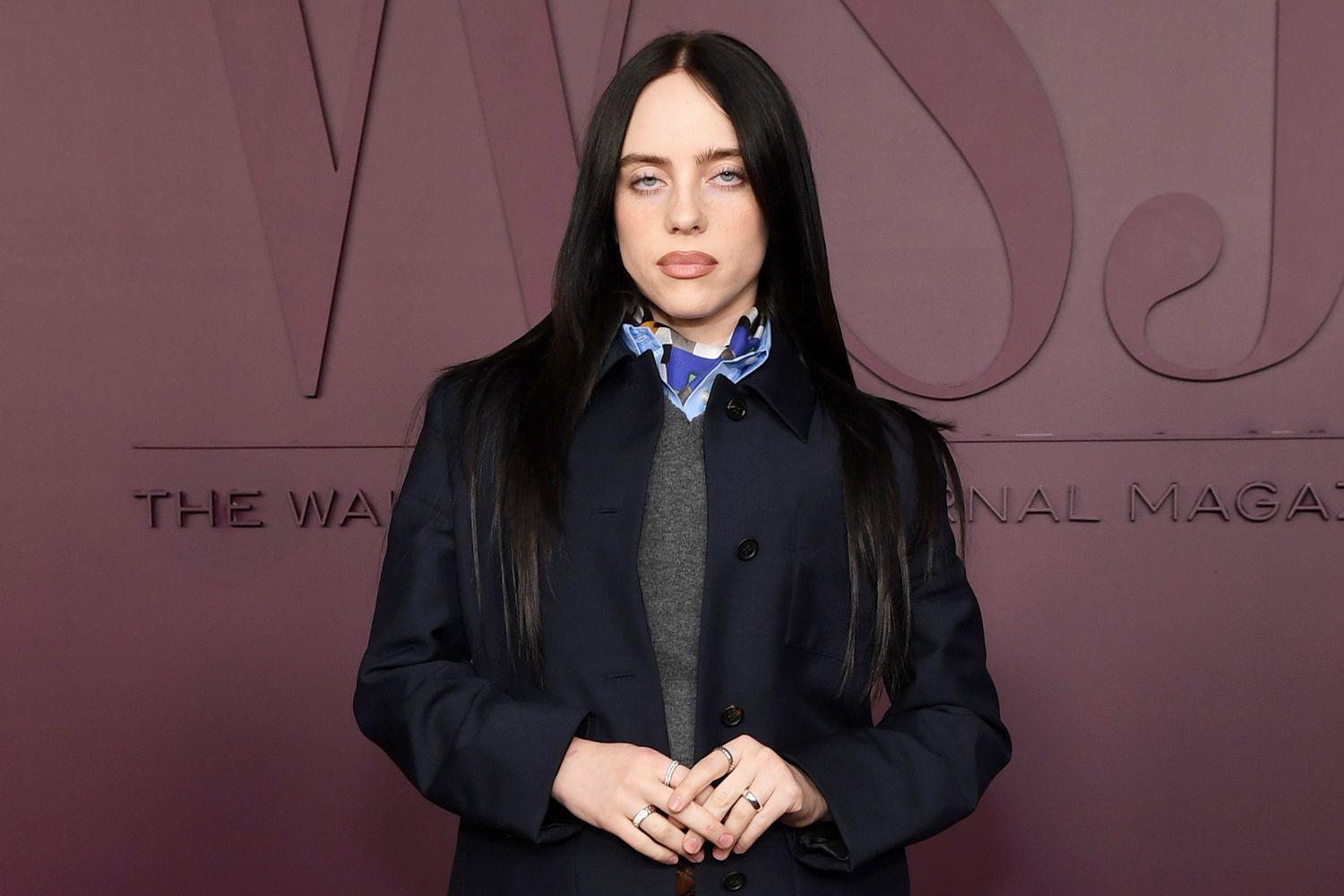
Billie Eilish built her visual identity around things most brand consultants would have advised against. The oversized silhouette phase was an active statement about not allowing the audience to project expectations onto her body. The frank conversations about body image, depression, and the pressures of early fame were not PR-managed disclosures. They were just how she actually communicated.
What reads as risky or unconventional from the outside is, strategically speaking, specificity. A personal brand this specific about its visual language and its values is almost impossible to imitate. No other artist can occupy the same space because the space is defined by her actual personality, not a marketing brief.
The Apple TV+ documentary "Billie Eilish: The World's A Little Blurry" extended the brand in a format most pop artists avoid, showing the unglamorous process of creating music at home with her brother as collaborator. That transparency became an additional trust deposit.
8. Selena Gomez - The Vulnerability-To-Product Pipeline
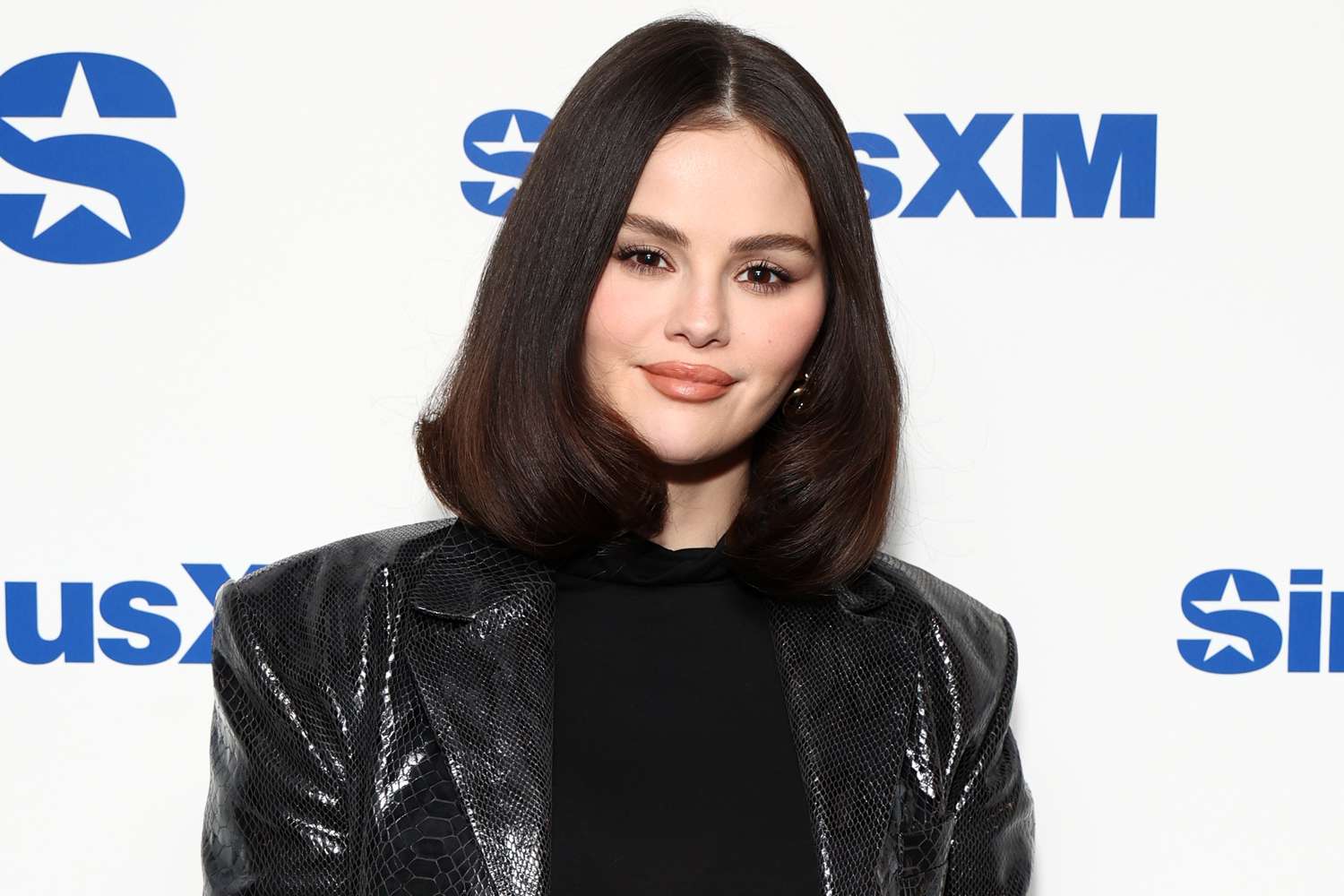
Selena Gomez spent years openly discussing her lupus diagnosis, her kidney transplant, her mental health treatment, and her decision to step back from social media. She did all of this before launching Rare Beauty in 2020. That sequencing matters enormously.
By the time Rare Beauty arrived, her audience was not being asked to trust a celebrity launching a cosmetics line. They were being invited to buy a product from someone who had already demonstrated, through years of honest disclosure, that she meant what she said about mental health and self-acceptance.
Rare Beauty reportedly generated over $400 million in revenue within its first three years of operation. The Rare Impact Fund committed 1% of sales to mental health organizations, which meant that purchasing the product was itself an act of value alignment for the buyer.
The lesson for anyone building a personal brand is about sequencing. Build trust before you have anything to sell. Share what you care about before you launch the product that relates to it. Most businesses get this backwards.
9. Greta Thunberg - Conviction As The Entire Brand

Greta Thunberg's personal brand has no product line and no agency management in the traditional sense. What it has is absolute consistency between stated belief and observable action.
She began with a solitary school strike outside the Swedish Parliament in 2018. She refused to fly to the UN Climate Summit in New York and instead crossed the Atlantic on a zero-emission yacht, not as a media stunt but as a direct extension of the same logic she applied to everything else. Her "How dare you" speech at the UN in 2019 generated global coverage. She was named Time's Person of the Year at 16.
The brand insight here is simple and difficult to replicate. When there is zero distance between what someone says they believe and how they actually live, the audience has nothing to disbelieve. That coherence is the brand. Greta Thunberg does not have a brand strategy in any conventional sense. She has a value system, and the brand is what happens when you watch it in action.
10. Dwayne Johnson - Same Personality, Every Platform, Every Time
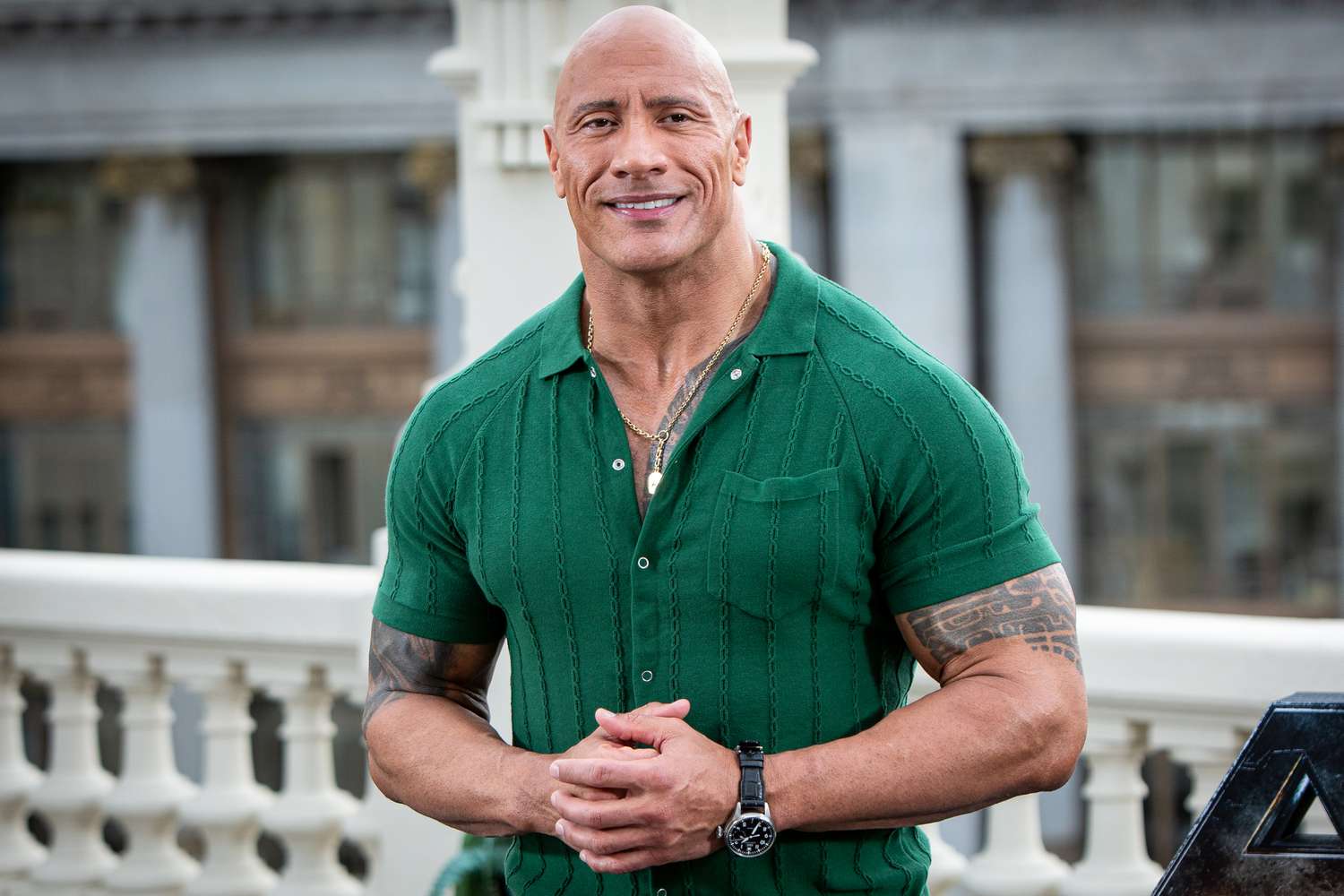
Dwayne Johnson's personal brand is not complicated. Hard work, humor, family, and consistency. That combination shows up identically on a 4 am workout Instagram post, in a Disney animated film, in a TV interview, or on a Teremana Tequila label.
Teremana sold over 400,000 cases in its first year of operation. That number did not materialize because Johnson has a large Instagram following. It materialized because his audience trusted him before he asked them to buy anything. The tequila launch felt like a natural extension of who he already was: someone who appreciates quality, works hard, and celebrates with gratitude.
ZOA Energy, Project Rock with Under Armour, and Seven Bucks Productions all operate on the same principle. The personality is the constant. The business category is the variable.
11. Gary Vaynerchuk - Documenting The Work Before The Audience Exists
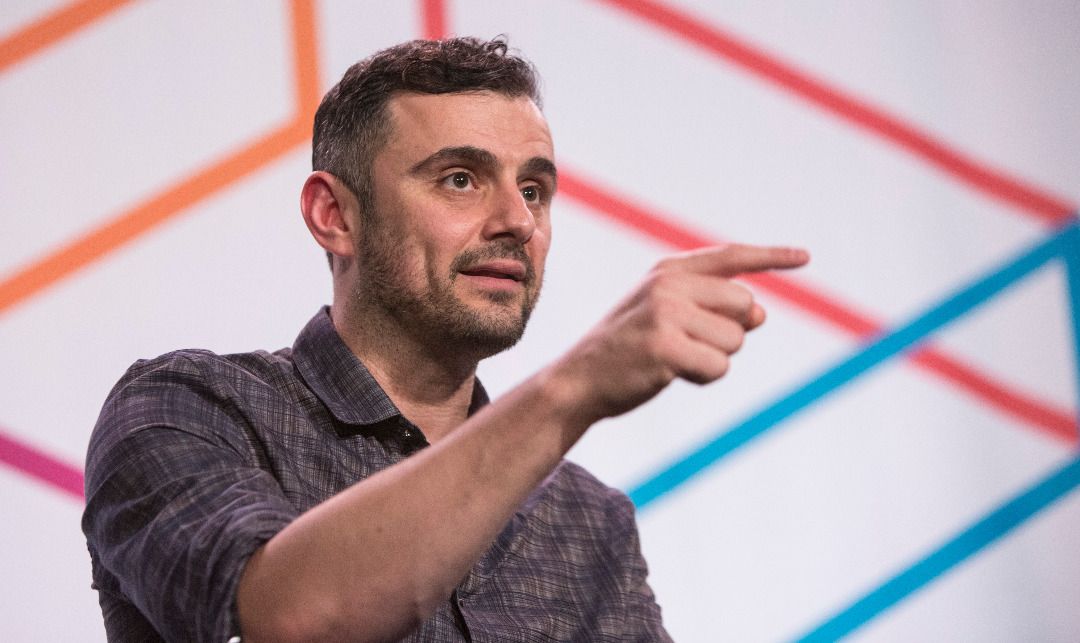
Gary Vaynerchuk launched Wine Library TV on YouTube in 2006 before personal branding was a recognized professional concept. He documented his daily work reviewing wines, long before "content marketing" had a name, and built an audience through volume and consistency before either of those were established tactics for entrepreneurs.
VaynerMedia now operates at hundreds of millions in annual billings. VeeFriends, his intellectual property venture, built a separate business on top of the same trust foundation he spent over a decade constructing. His podcast and speaking revenue add additional streams.
The lesson I find most instructive from his career is not the hustle messaging, which has become his most visible brand attribute. It is the timing insight. He started documenting before he had proof that documenting would work. The people who benefit most from his playbook are the ones who started three years ago. The second-best time is today.
12. MrBeast - Reinvesting Everything Into The Audience
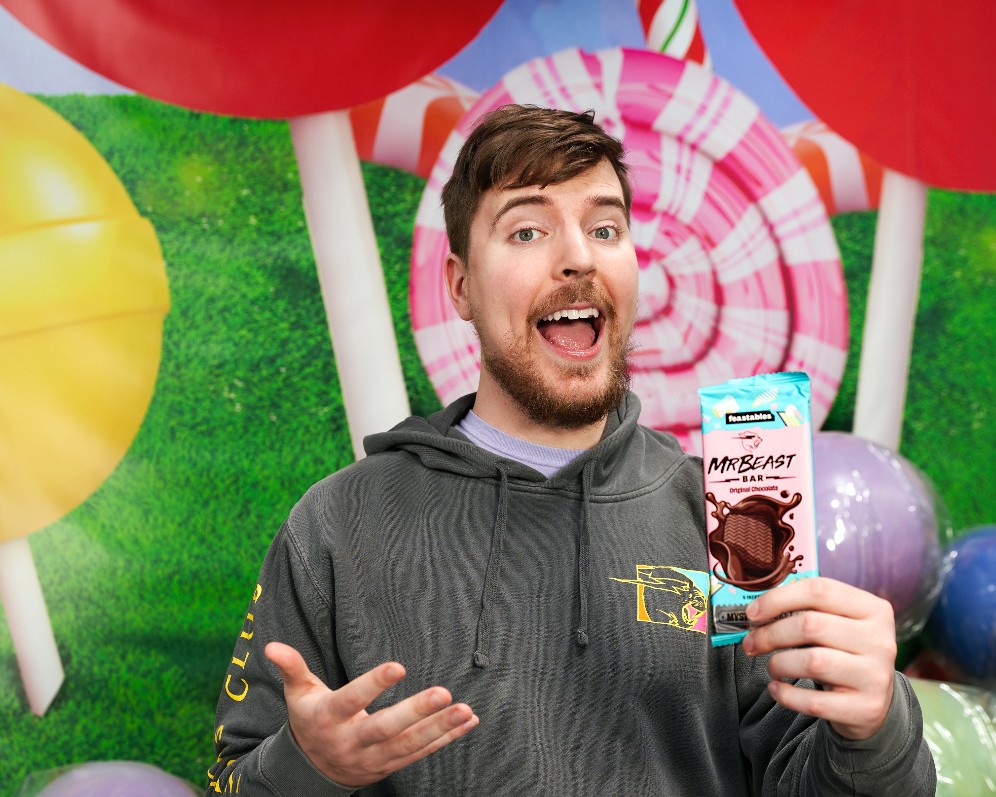
Jimmy Donaldson, better known as MrBeast, built a personal brand on a single operating principle. Every dollar earned from the brand gets reinvested into content that serves his audience at a higher level. Expensive stunts, large cash giveaways, and philanthropy projects like planting millions of trees and opening free food banks are not separate from the brand. They are the brand.
Feastables, his chocolate brand, and MrBeast Burger leveraged an audience whose loyalty was built on the belief that MrBeast is fundamentally on their side. His reported revenue across all ventures exceeded $100 million in 2023. Feastables gained placement in major US retailers within its first year of launch.
The mechanic is counterintuitive for most businesses. Give dramatically and visibly first. Build an audience that trusts you at a deep level. Then launch products that the audience buys because they want to support someone they believe in.
13. Khaby Lame - Global Reach Through Universal Simplicity
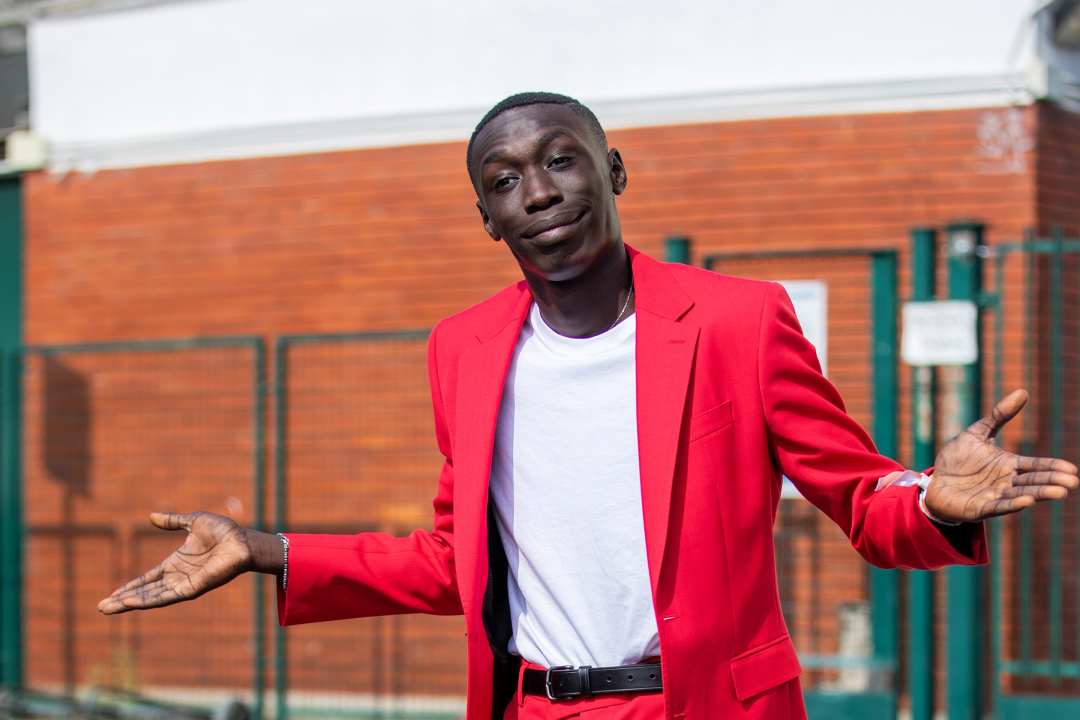
In 2020, Khaby Lame lost his factory job in Italy during the pandemic and began recording TikTok videos from his apartment. His format was a deadpan reaction to over-engineered life hack videos, performed wordlessly. He would watch someone do something absurdly complicated, do it the simple way, and shrug at the camera.
By 2022, he had overtaken Charli D'Amelio to become TikTok's most-followed creator with over 161 million followers. Brand partnerships with Hugo Boss followed. His personal brand generated millions in sponsorship revenue from a starting point of zero production budget and zero industry connections.
The strategic insight from Khaby is about the power of a universal human truth. He was not communicating in any particular language. He was communicating in the shared human experience of watching someone overcomplicate something simple. A brand built on a universal truth travels across borders without any translation cost.
14. Oprah Winfrey - The Ownership Playbook
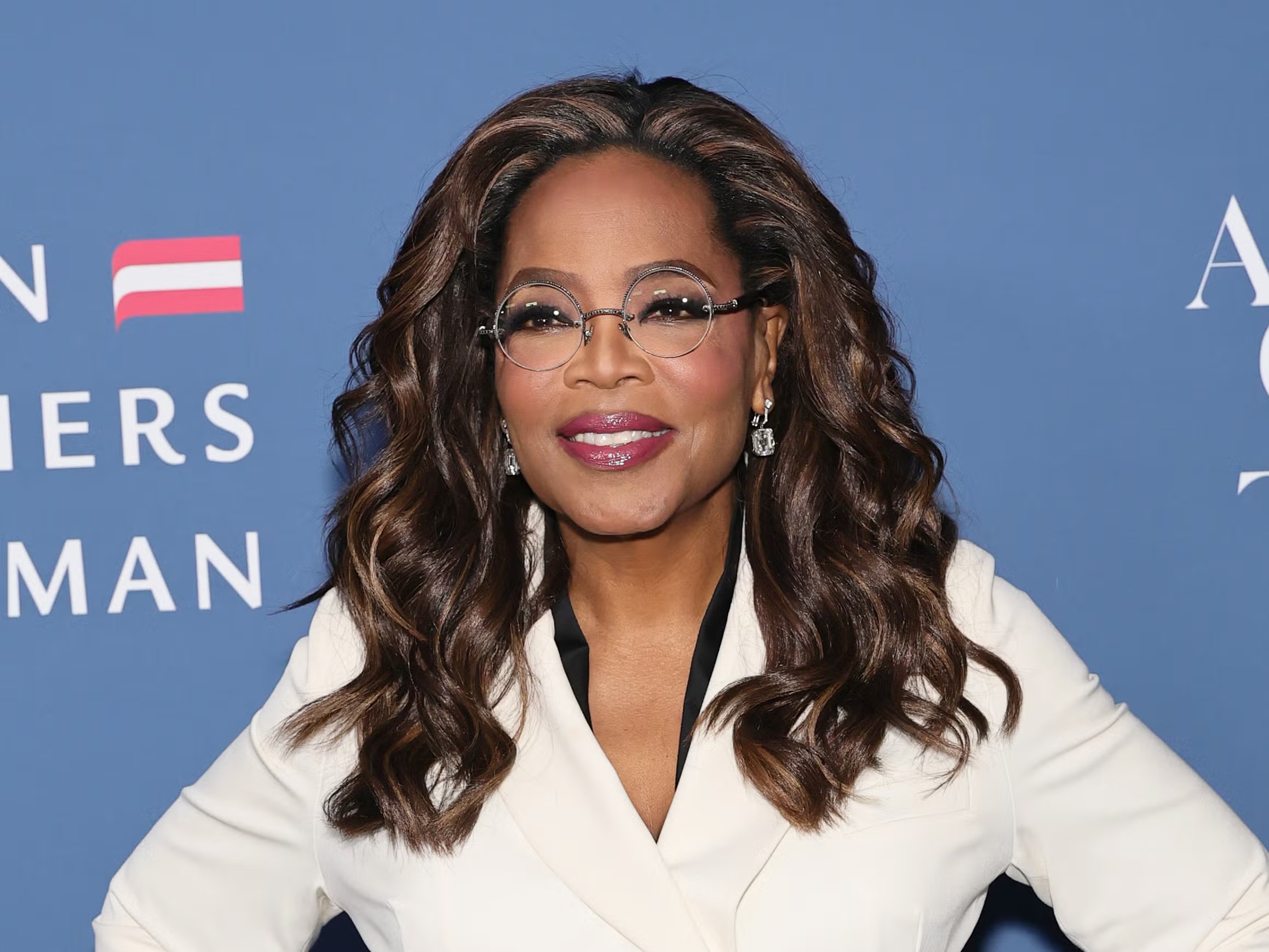
Oprah Winfrey made a foundational decision early in her career that most celebrities miss entirely. She retained ownership of The Oprah Winfrey Show and the production infrastructure behind it through Harpo Studios. Instead of being a talent on someone else's show, she was the owner of the asset that also happened to be the talent.
That ownership model cascaded forward through everything she built. OWN (Oprah Winfrey Network) launched in partnership with Discovery Communications in 2011. Oprah's Book Club created a secondary cultural platform that gave her influence in publishing, completely separate from her television presence. O, The Oprah Magazine ran in partnership with Hearst from 2000 to 2020. Oprah's Favourite Things evolved from a holiday television segment into an Amazon-integrated commerce engine.
Her estimated net worth reached $2.7 billion. In 2024, she resigned from the WeightWatchers board after publicly sharing her use of weight-loss medication, donated her shares to the National Museum of African American History and Culture, and executive-produced "The Six Triple Eight" on Netflix. She did not disappear from relevance. She redirected it.
The principle running through everything Oprah built is that renting someone else's distribution is a tactic. Owning the channel is a strategy.
15. Reese Witherspoon - Building A Media Company Around A Values System
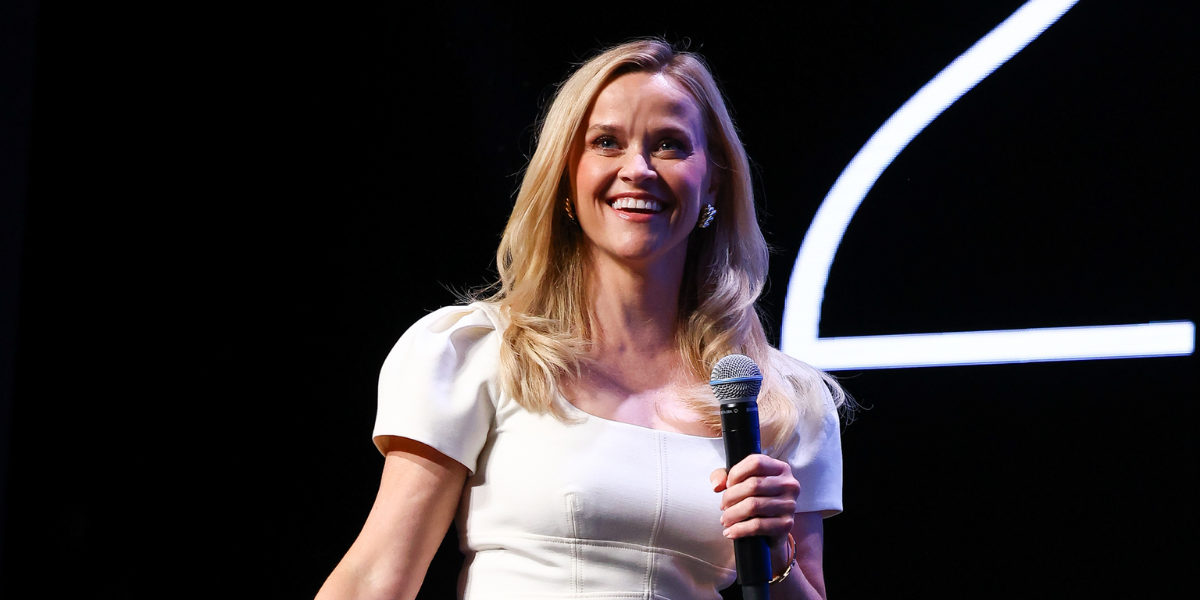
When Reese Witherspoon founded Hello Sunshine, she was solving a problem she experienced directly as an actress. The stories she wanted to tell about women were not being made at the scale they deserved. She built the company to produce them herself.
Hello Sunshine produced "Big Little Lies" in partnership with HBO and helped bring Cheryl Strayed's memoir "Wild" to the screen. The company's mission of putting female stories and authorship at the center of media became its brand positioning, not just its internal vision statement.
In 2021, a Blackstone-backed media company acquired Hello Sunshine for approximately $900 million. Witherspoon also runs Draper James, a Southern-inspired fashion brand with five US retail locations, which operates completely separately from Hello Sunshine with its own distinct identity and aesthetic.
The structural insight here is that an umbrella personal brand can house multiple distinct businesses without confusion, as long as the values system is coherent enough to hold them together. Hello Sunshine and Draper James serve different audiences and sell entirely different things. Both feel authentically like Reese Witherspoon.
16. Kim Kardashian - From Visibility To Valuation
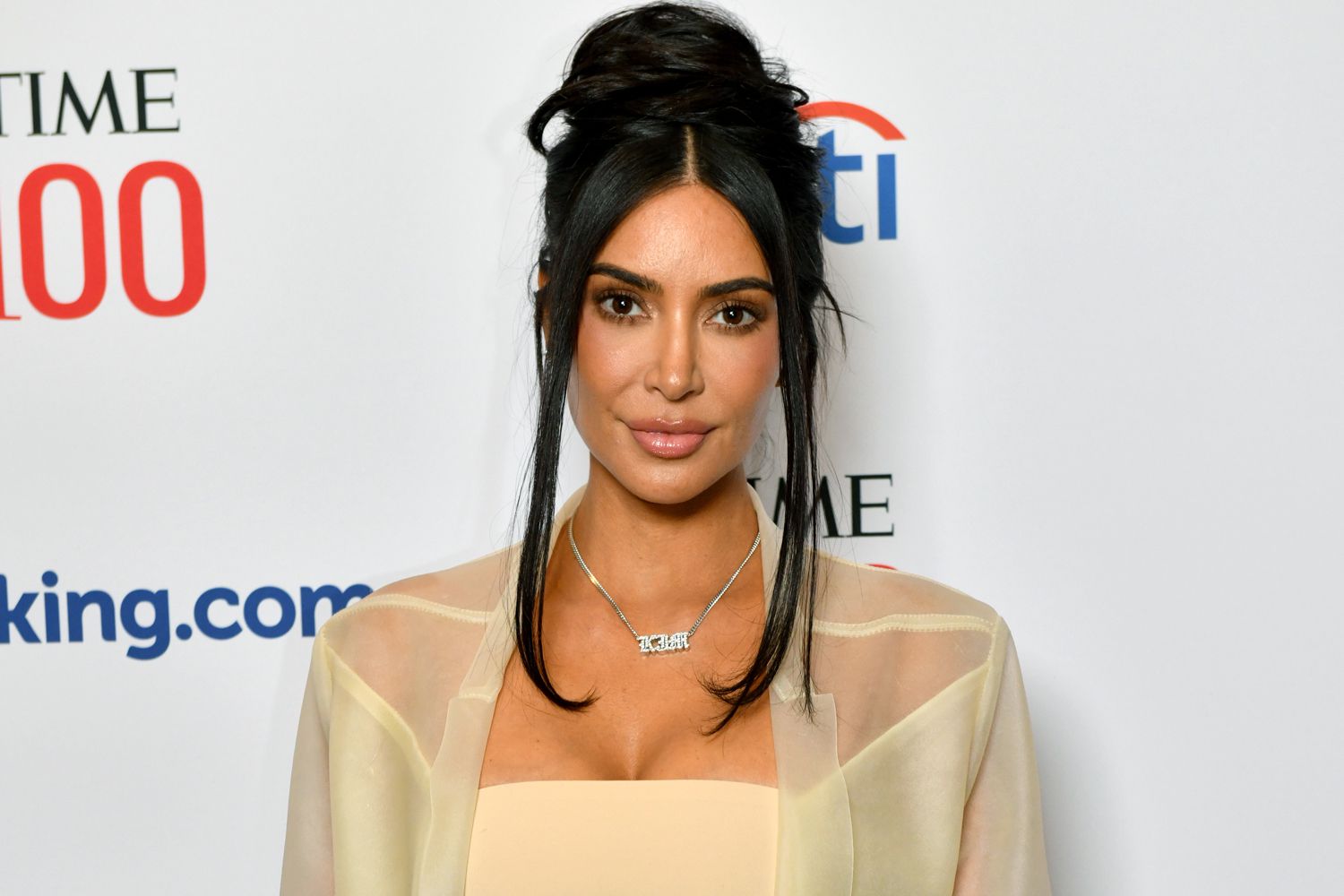
Kim Kardashian's path to one of the most recognized identities in commercial fashion began with a series of deliberate aesthetic choices made extremely early, then held with remarkable consistency. The minimalist, body-conscious visual language that defines SKIMS was visible in her public presentation years before the brand launched.
By the time SKIMS arrived in 2019, the brand's aesthetic was already familiar to tens of millions of people. It had been tested and refined in public, without anyone recognizing the testing was happening. SKIMS reached a $4 billion valuation by 2023. The Fendi x SKIMS collaboration generated viral coverage and sold out immediately.
The lesson is that consistent aesthetic control across every touchpoint converts a personal profile into a corporate asset with real market value. The aesthetic is not decoration. It is the brand infrastructure.
17. LeBron James - Building An Entertainment Company Before Leaving The Court
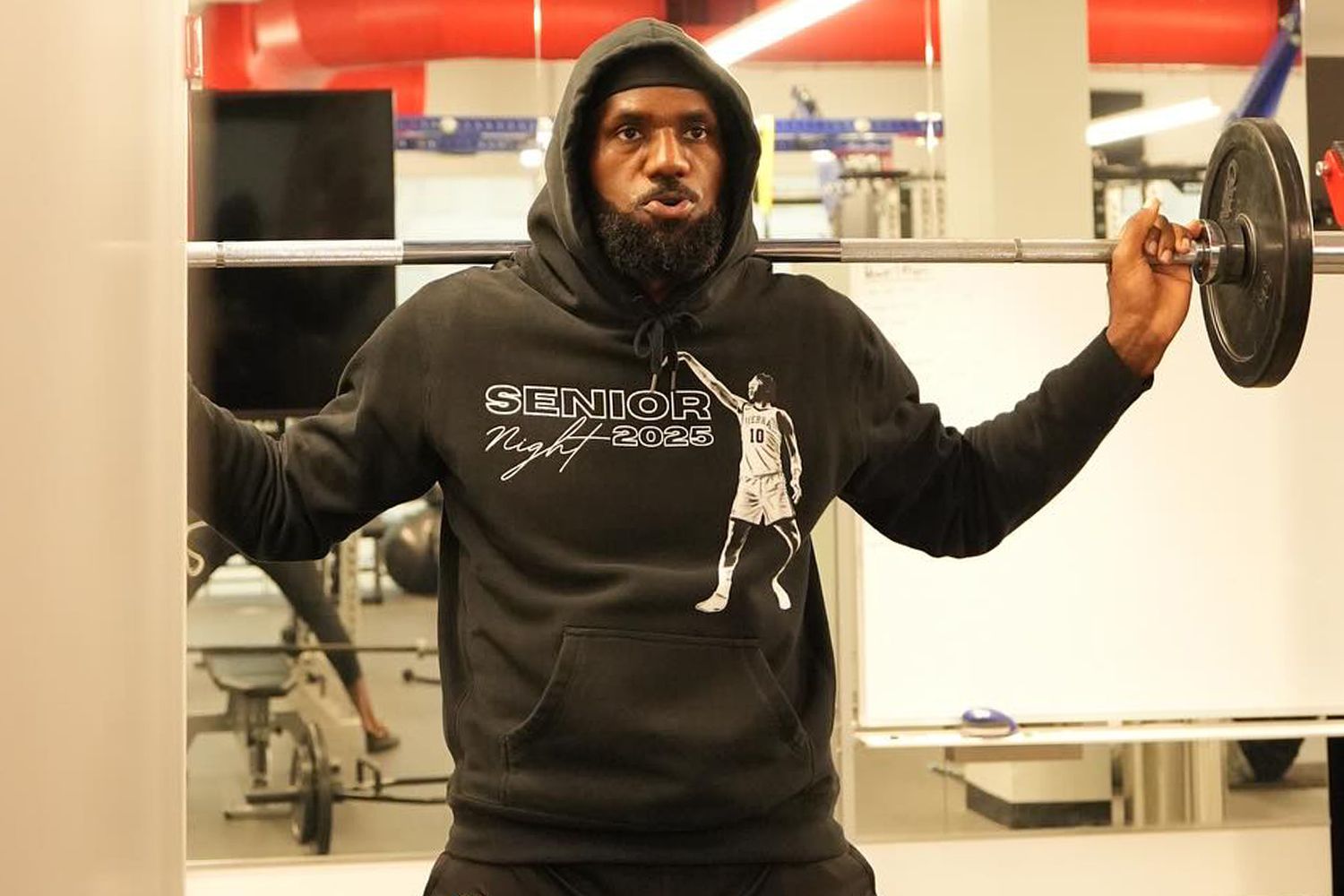
LeBron James began developing what would become SpringHill Company with his business partner, Maverick Carter, while he was still competing at the highest level in the NBA. Uninterrupted, the media platform built around athlete voices and perspectives, launched in 2015. The production company eventually grew to produce content completely independent of James's athletic career.
His estimated net worth crossed $1 billion, placing him among a small number of athletes who have built commercial empires that will outlast their playing careers. His reported minority stake in the Boston Red Sox ownership group and ongoing acquisition discussions reflect the same Jay-Z-influenced philosophy: own the infrastructure, not just the endorsement.
18. Serena Williams - Strategic, Risk-Averse Brand Building
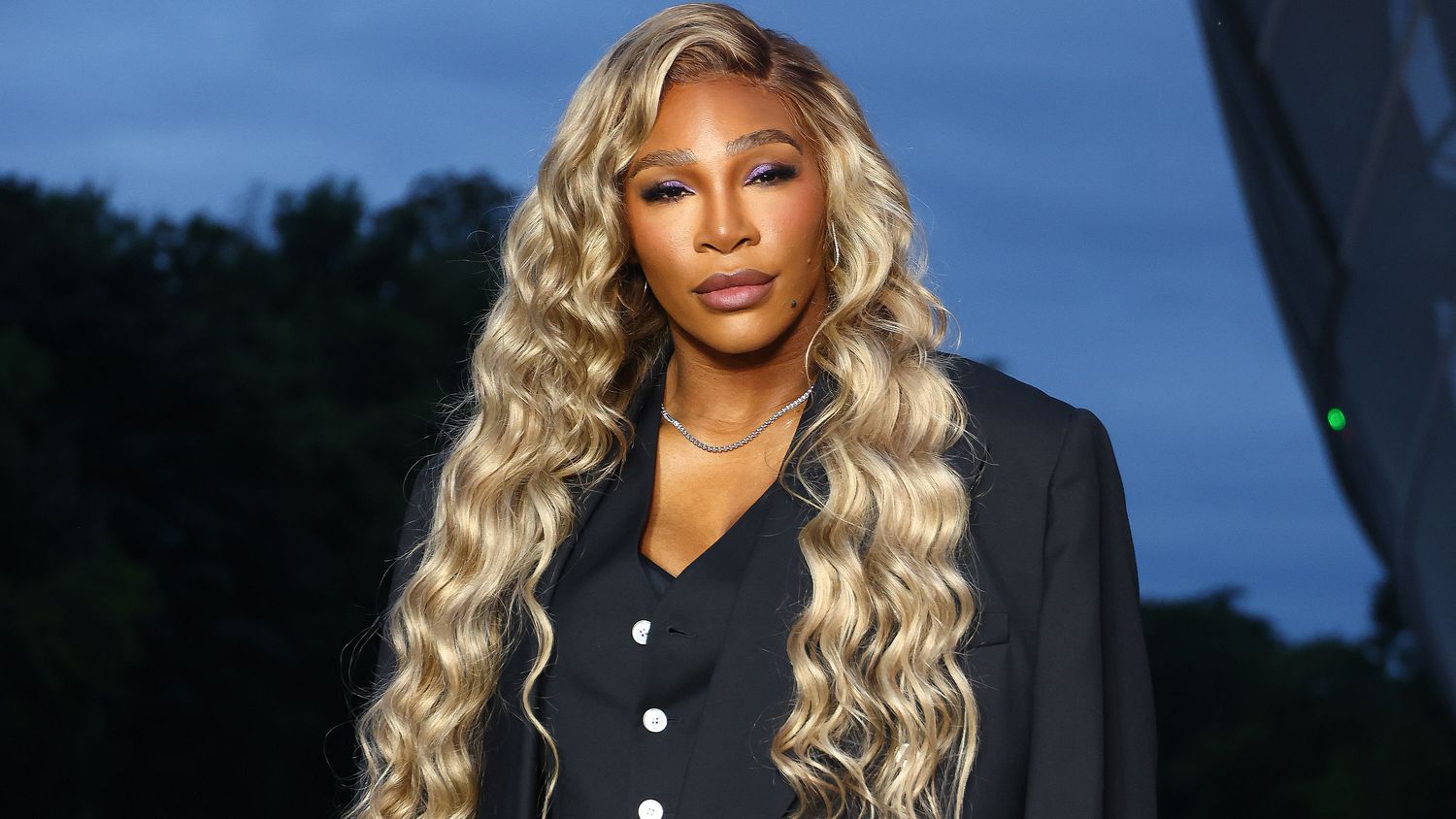
Serena Williams generated $93 million in on-court prize money across her career. The brand layer she built around that foundation follows a consistently conservative, high-conviction investment model. She describes herself publicly as frugal despite significant wealth, and her brand decisions reflect that philosophy in practice.
Serena Ventures, which she founded in 2014, has funded over 70 startups with a notable concentration in companies founded by women and minority entrepreneurs. Investments in Noom, Daily Harvest, and Bumble have added both financial return and brand alignment value. Her minority stakes in the Miami Dolphins and UFC reflect the same long-game philosophy that characterizes her entire venture portfolio.
WYN Beauty, her makeup line at Ulta Beauty, launches with 36 shades and uses a chartreuse packaging palette that references her tennis career. Every decision in her brand portfolio appears to have been evaluated against a consistent set of values rather than pure return potential.
The practical lesson here is that selectivity in partnerships can produce stronger long-term outcomes than volume. She does not appear to say yes to everything her profile could attract. She appears to say yes to the things that fit a strategy she has thought through carefully.
19. Shaquille O'Neal - The Entertainer Who Never Stopped Being Shaq
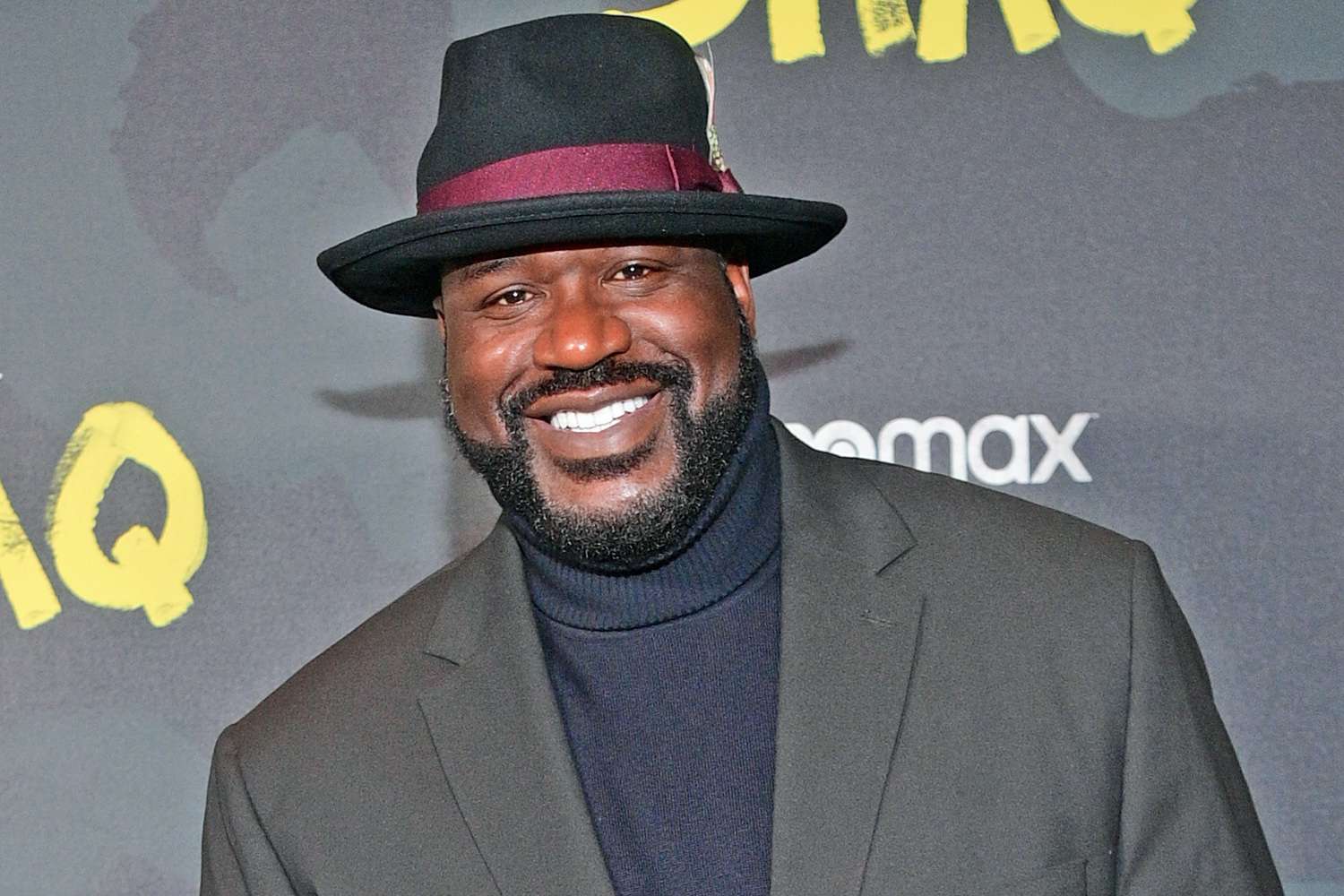
Shaquille O'Neal retired from the NBA in 2011. His brand trajectory did not slow down. He holds ownership stakes in over 150 businesses, including car washes, fitness clubs, Papa John's franchises, and a reported pre-IPO stake in Google. His estimated net worth sits around $400 million.
What makes his post-athletic brand work is a deliberate identity decision. He never positioned himself as "a retired athlete." He leaned into being an entertainer, a businessman, and a personality simultaneously. DJ Diesel, his DJ alter ego, is not a separate brand from the NBA analyst on Inside the NBA or the Icy Hot spokesperson. They are all the same fully committed personality delivered in different formats.
That consistency made every new venture feel credible before it had been proven. An audience that trusts who you are will give new business categories a genuine chance before the reviews arrive.
20. Cristiano Ronaldo - The CR7 Brand As A Global Consumer Product System
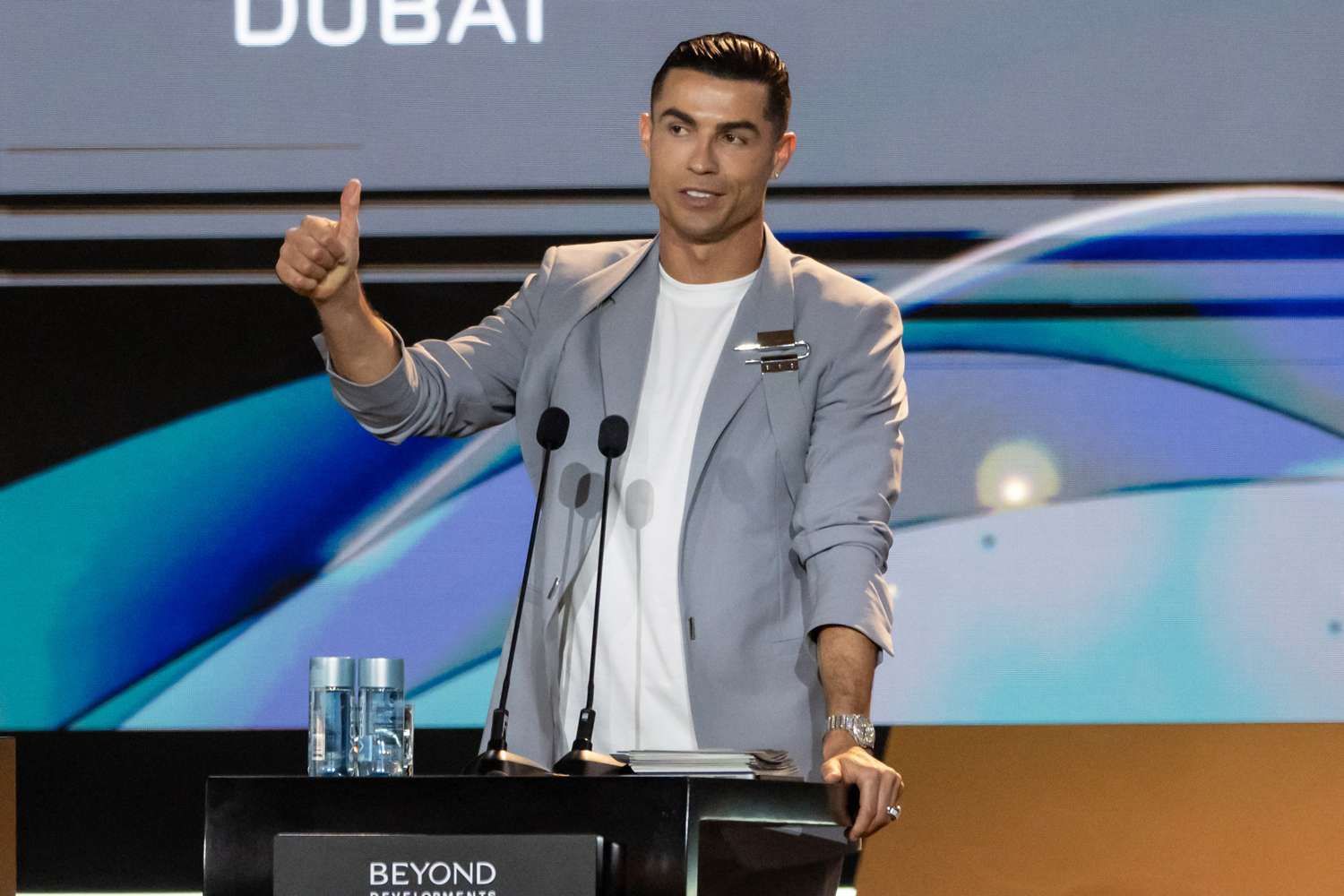
Cristiano Ronaldo has built what is, by most measures, the most internationally distributed athlete's personal brand in history. The CR7 brand operates across underwear, fragrances, and hotels through the Pestana CR7 chain. His reported lifetime Nike deal is valued at over $1 billion. His Instagram account has over 600 million followers, making him the most-followed individual on the platform.
The mechanics behind CR7's reach are built on decades of performance consistency. Ronaldo has won major league titles and individual player awards across Spain, England, and Portugal. That record of sustained excellence across multiple markets is the credibility that makes the brand portable globally in a way that brands built purely on personality cannot easily replicate.
The lesson from Ronaldo's brand is about the relationship between performance and commercial durability. The CR7 licensing operation exists because the athletic record behind it is undeniable. Performance excellence, sustained over long enough, earns the kind of global audience trust that converts at commercial scale across cultures.
21. Beyoncé - Creative Ownership As Brand Strategy
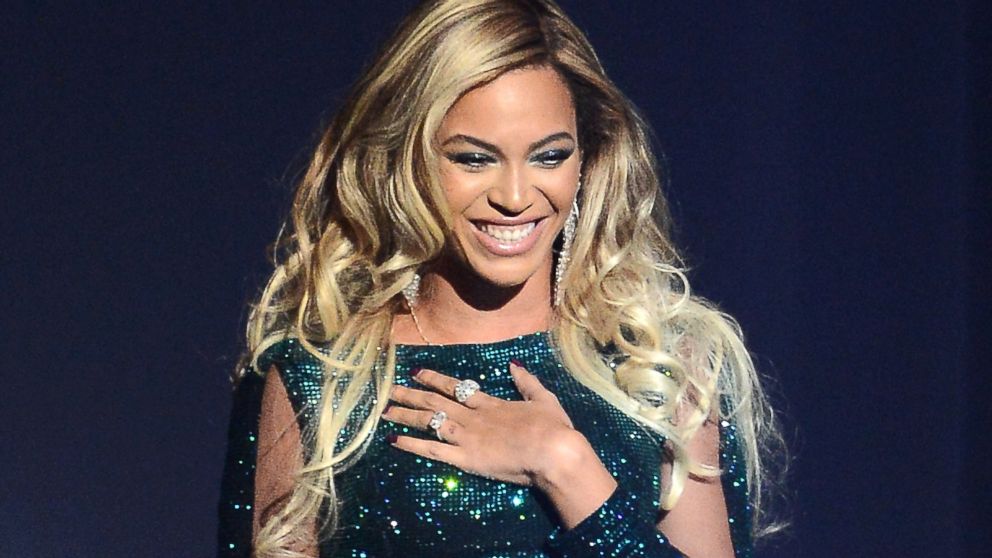
Beyoncé's brand operates on a principle of maximum creative control and minimum compromise. The surprise album drops, Lemonade in 2016, Renaissance in 2022, and Cowboy Carter in 2024, were not just releases. They were cultural moments engineered to arrive without the usual buildup that allows competitors to position around them.
The Renaissance World Tour grossed $579 million, making it one of the highest-grossing tours in history. Ivy Park launched as an Adidas collaboration and was later relaunched independently. Cécred, her hair care brand launched in 2024, focuses on scientifically-backed formulas and hair health rather than just styling trends.
Every output from her brand meets an exceptionally high standard before it reaches the public. That standard is itself the brand message. When every project becomes an event rather than a release, each new launch carries the weight of the entire catalog behind it.
22. Michelle Obama - Purpose-Driven Authority
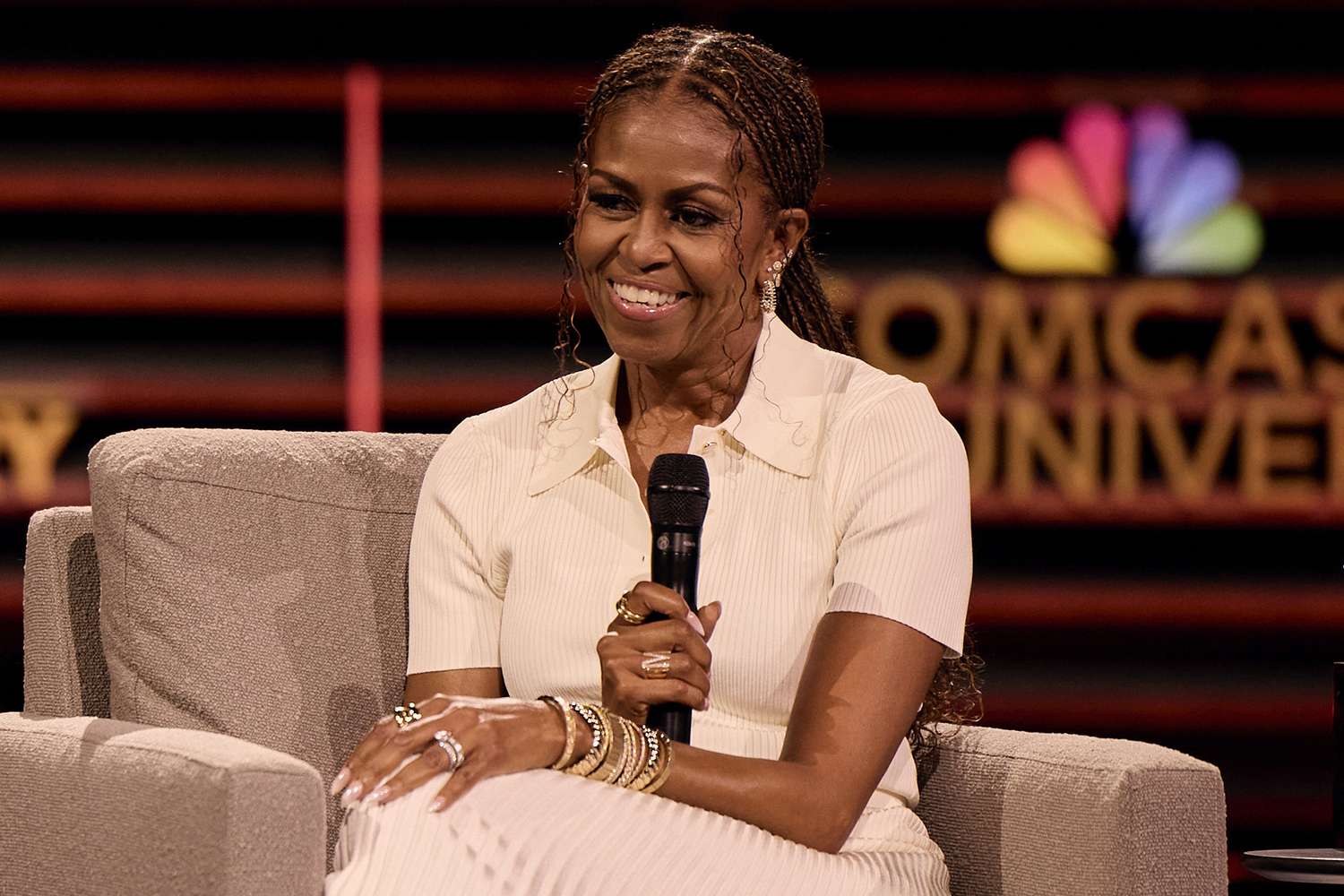
Michelle Obama's personal brand is built around a value system she established publicly over eight years in the White House, then reinforced consistently through every project since. "Becoming" sold over 14 million copies globally, making it one of the best-selling memoirs in publishing history.
"The Michelle Obama Podcast" extended the brand into audio. "Waffles + Mochi" on Netflix extended it into children's programming about food and culture. Her speaking fees are among the highest in the world for any public figure. The common thread is not politics. It is the consistent promotion of community, purpose, and personal growth, themes she established before the memoir and has never deviated from since.
The brand lesson is that a clear, sustained value system becomes the brand itself. When that value system is strong enough, almost any content format can carry it effectively.
23. Martha Stewart - Owning A Category Before It Existed
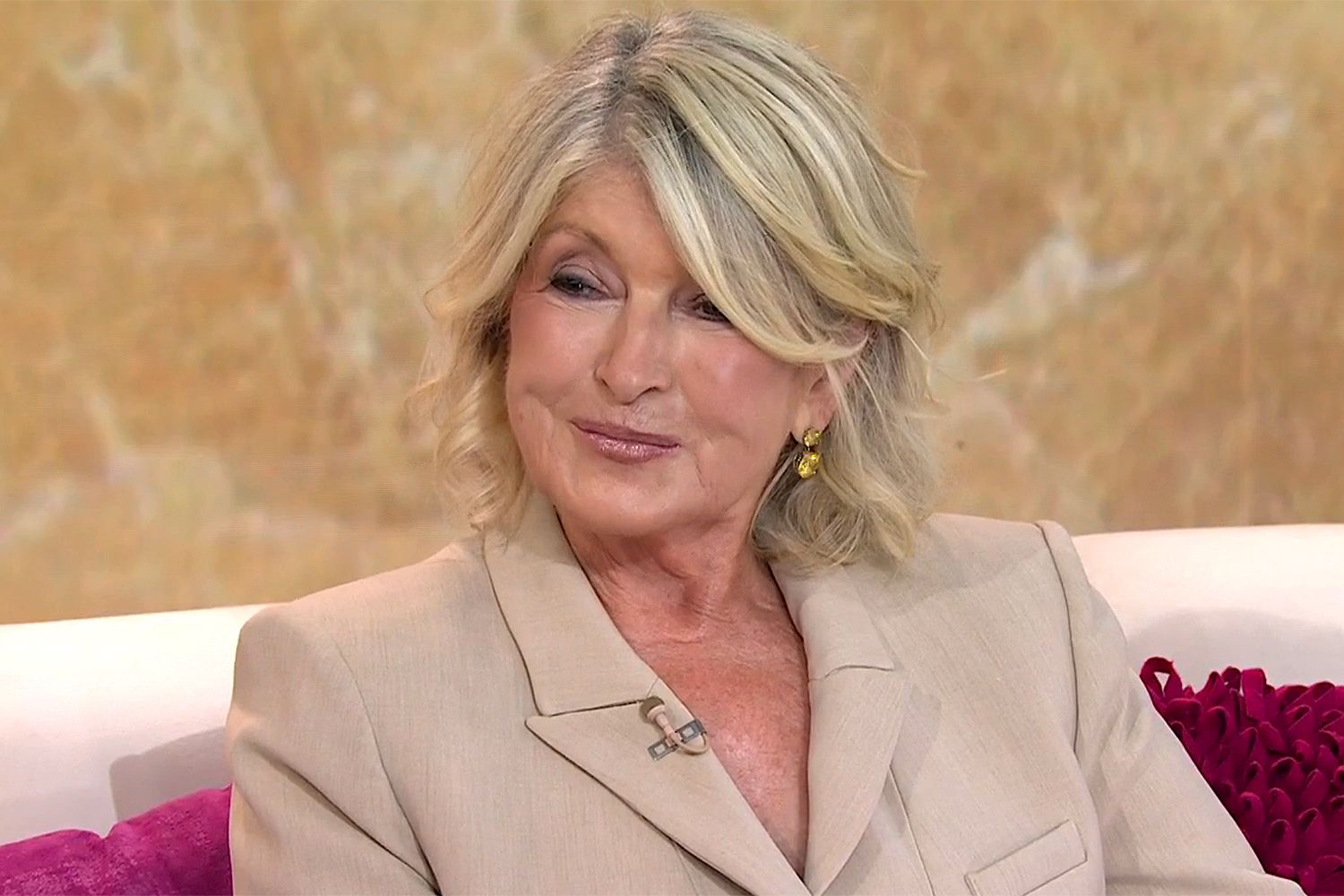
Martha Stewart did not enter an existing market called "home and lifestyle media." She created the category, defined it, and owned it so completely that it took the internet age to fragment her dominance.
Martha Stewart Living Omnimedia brought together television, publishing, and product licensing under one umbrella in the 1990s, before "media brand" was a standard business phrase. When her public image suffered significantly in the mid-2000s, the brand survived because the category she had built was larger than any single controversy. She remained the primary cultural association with home entertaining, cooking, and decorating, regardless of what the news cycle said about her.
Her cultural rehabilitation, accelerated by her Sports Illustrated cover appearance in 2023 at 81 years old, demonstrated an additional principle. A brand built around genuine expertise in a category it defined is extremely difficult to permanently damage. The category itself keeps the brand relevant.
24. Zendaya - Earned Authority Through Selective Commitment
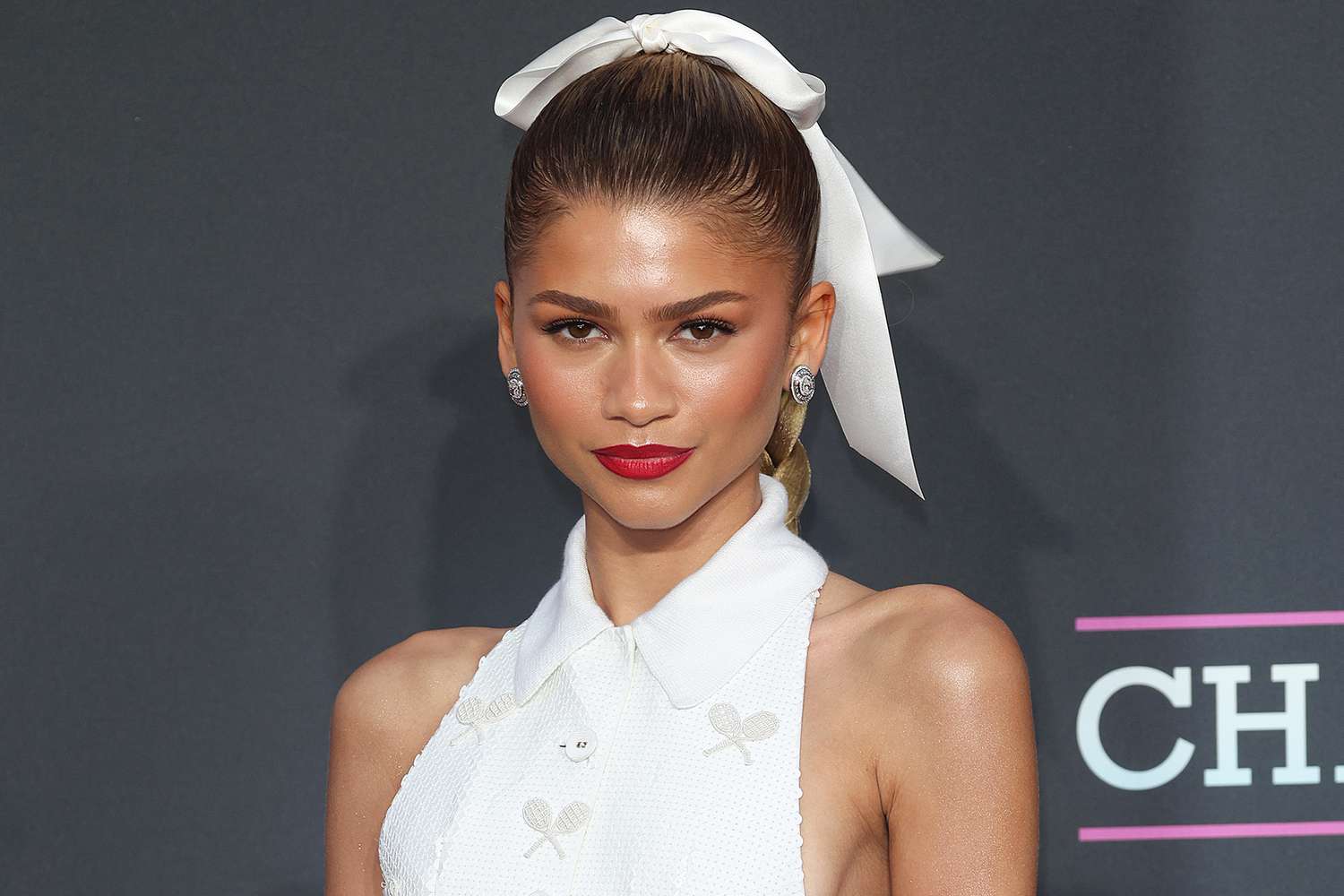
Zendaya's brand trajectory is a case study in the power of strategic restraint in an era of overexposure. She does not post constantly. She does not accept every brand partnership her profile could attract. She does not give interviews beyond what supports specific projects.
What she does is choose high-quality projects, commit to them fully, and let the quality of the output speak. Euphoria created a sustained cultural conversation about her capabilities as an actress and a creative force. The promotional campaign for "Challengers" in 2024 became a fashion phenomenon entirely independent of the film itself. Her partnerships with Valentino and Lancôme are brand-aligned rather than simply high-value.
The Daya by Zendaya fashion line from her earlier career was discontinued, which is itself a brand decision. Running something that no longer fits your current positioning generates more dilution than its revenue justifies.
In an attention economy that rewards constant output, deliberate scarcity can be a stronger brand signal than omnipresence. Zendaya's audience anticipates each project because projects do not arrive constantly.
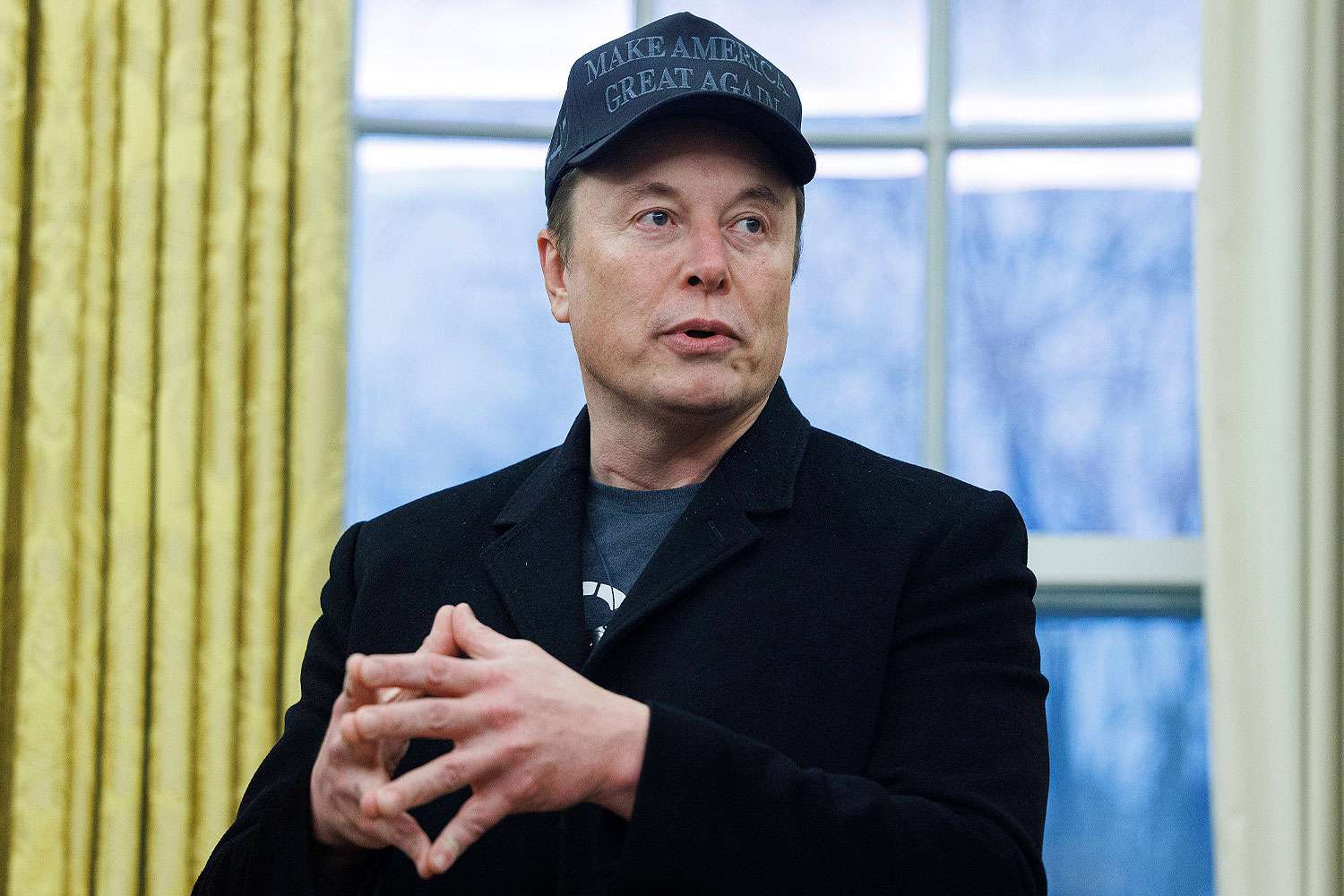
Most branding articles skip the cautionary cases. I think that is a mistake, because what goes wrong is at least as instructive as what goes right.
Elon Musk has one of the most recognized personal brands on earth. He is also a clear demonstration that brand strength and brand effectiveness are not the same thing. His brand became highly polarizing after 2022, particularly following his acquisition of Twitter and his increasingly public alignment with specific political positions.
The commercial consequences are measurable. Tesla sales in European markets declined significantly through 2024, with multiple industry analysts attributing a meaningful portion of that decline to Musk's personal brand toxicity in those regions. Advertisers exited X. Brand partnerships that would naturally attach to the world's most prominent tech entrepreneur became commercially and reputationally complicated for potential partners.
The mechanism every brand builder should understand is this. Controversy builds audience size rapidly. It also caps your total addressable market, because a percentage of the population will actively avoid purchasing from you regardless of product quality. Musk still operates highly valuable companies and commands extraordinary cultural attention. But there are categories he cannot enter, and markets he cannot reach that would otherwise be available to him.
The practical question for anyone building a personal brand is not whether you should have strong opinions. It is whether you understand which trade-off you are making, and whether that trade-off serves your long-term commercial objectives.
The Six Strategic Patterns Behind Every Celebrity Personal Brand That Works
Strip away the fame and the specific industries, and six distinct strategic patterns appear across all 25 examples in this article.
- The Extension Pattern:Start in one category, build undeniable credibility, then move into adjacent categories where your existing audience trust does the early acquisition work. Rihanna, Jay-Z, and George Clooney are the clearest operating examples.
- The Authenticity Pattern:Share what you genuinely believe and how you actually live before you have anything to sell. The trust accumulated through honest disclosure converts to commercial trust faster than any advertising budget can replicate. Taylor Swift, Selena Gomez, and Greta Thunberg all run on this mechanism.
- The Consistency Pattern:Show up the same way, at the same quality level, with the same personality, for a long time. The trust this builds is slower to accumulate than authenticity-led brands, but it is highly resistant to disruption. Dwayne Johnson, Gary Vaynerchuk, and MrBeast are the anchor examples.
- The Platform Ownership Pattern:Control your distribution channel rather than renting it. Build the newsletter, the production company, and the owned media asset. Oprah, Reese Witherspoon, and Kim Kardashian applied different versions of this principle at different scales.
- The Repositioning Pattern:Begin building the next identity before the current one peaks. Use the visibility of an athletic or entertainment career to fund and incubate the brand that will outlast it. LeBron James, Serena Williams, and Shaquille O'Neal are the operating examples.
- The Cultural Voice Pattern:Anchor your brand to a value system larger than your products or category. When you represent something people care about deeply, the brand benefits from organic advocacy that product marketing cannot buy. Beyoncé, Michelle Obama, and Martha Stewart built on this foundation.
How To Apply These Lessons Without Being Famous
The mechanics that explain Fenty Beauty's first 40 days are identical to the mechanics that explain a local consultant with 400 referral clients who closes every inbound lead. The audience size is different. The framework is not.
Picking your pattern before picking your platformis the most common mistake I see when working with non-celebrity brand builders. Creators and entrepreneurs choose a platform because everyone is telling them they need to be on it, then reverse-engineer a message to fit that platform's format. The celebrities who build durable brands do the opposite. They know what they stand for first, and then find the format that carries it most clearly.
The one question that anchors every strong personal brandis deceptively simple. What do I want to be trusted for? Not what do I want to be known for, which invites answers about visibility. Not what do I do, which invites answers about services. Trusted for. The answer to that question is the foundation every extension must connect back to.
Which Strategy Fits You? A Quick Reference Checklist
Ask yourself which description fits your current situation most closely.
- You have one area of deep expertise and a small but engaged audience. Start with the Extension Pattern. Own your lane fully before expanding into adjacent categories.
- You are known for a specific personal journey, struggle, or transformation. Try the Authenticity Pattern. Share the experience genuinely before you build the product that relates to it.
- You can commit to showing up consistently for at least two years without expecting dramatic results quickly. The Consistency Pattern is your strongest long-term option.
- You are building a service business or content operation that could eventually run without your daily presence. Start applying the Platform Ownership Pattern now. Build the asset alongside the service.
- You are currently in a high-visibility role (sports, corporate leadership, a major employer) that will eventually end. Apply the Repositioning Pattern. Use the platform while you have it to build the next identity.
- You are genuinely aligned with a cause, cultural movement, or value system that your target audience cares about deeply. Build toward the Cultural Voice Pattern. Let the values do the brand work.
Frequently Asked Questions
Which Celebrity Has The Strongest Personal Brand Overall?
Oprah Winfrey is the most commonly cited answer for longevity and cross-category trust transfer, built over four decades. Rihanna has built the strongest modern example of rapid revenue generation through brand extension. Both pass the trust transfer test completely, but in different ways.
What Can Someone With A Small Audience Learn From Celebrity Personal Branding?
The framework applies to 500 followers the same way it applies to 500 million. Pick a specific lane, show up consistently, and build trust before you launch anything to sell. Audience size changes the reach. The mechanics are identical.
What Is The Difference Between A Personal Brand And A Celebrity Brand?
A celebrity brand uses fame as its primary distribution channel. A personal brand earns trust through expertise and consistency, regardless of public profile size. The mechanics are the same at every scale. Only the starting audience differs.
How Long Does It Take To Build A Strong Personal Brand?
Most of the brands in this article took five to ten years of consistent effort before generating significant business results. Creators with high publishing volume have compressed that timeline to two to three years in some cases. There is no shortcut to trust. There is only the work, done consistently over time.
Do Celebrity Personal Brands Ever Fail?
Frequently. Multiple celebrity fragrance lines have been discontinued after poor sales. Celebrity restaurant chains, app launches, and fast fashion collaborations have failed when the extension had no real market position or when the celebrity's trust base had eroded before launch. Fame alone does not sell products that do not solve real problems.
Conclusion
Every example above tells a version of the same story. Trust is built slowly and deployed quickly. The celebrities with the largest commercial leverage are not necessarily the most famous. They are the ones who served a specific audience, with a consistent message, for long enough that the audience stopped questioning whether to trust them and started asking what they were launching next.
The real takeaway is that none of this is magic. It is repetition, with purpose, in service of a real audience. That is a playbook available to anyone willing to run it.